Bathroom Decor: Fresh Ideas for a Stylish Space
Essential bathroom decor ideas and expert tips for stylish, durable spaces.
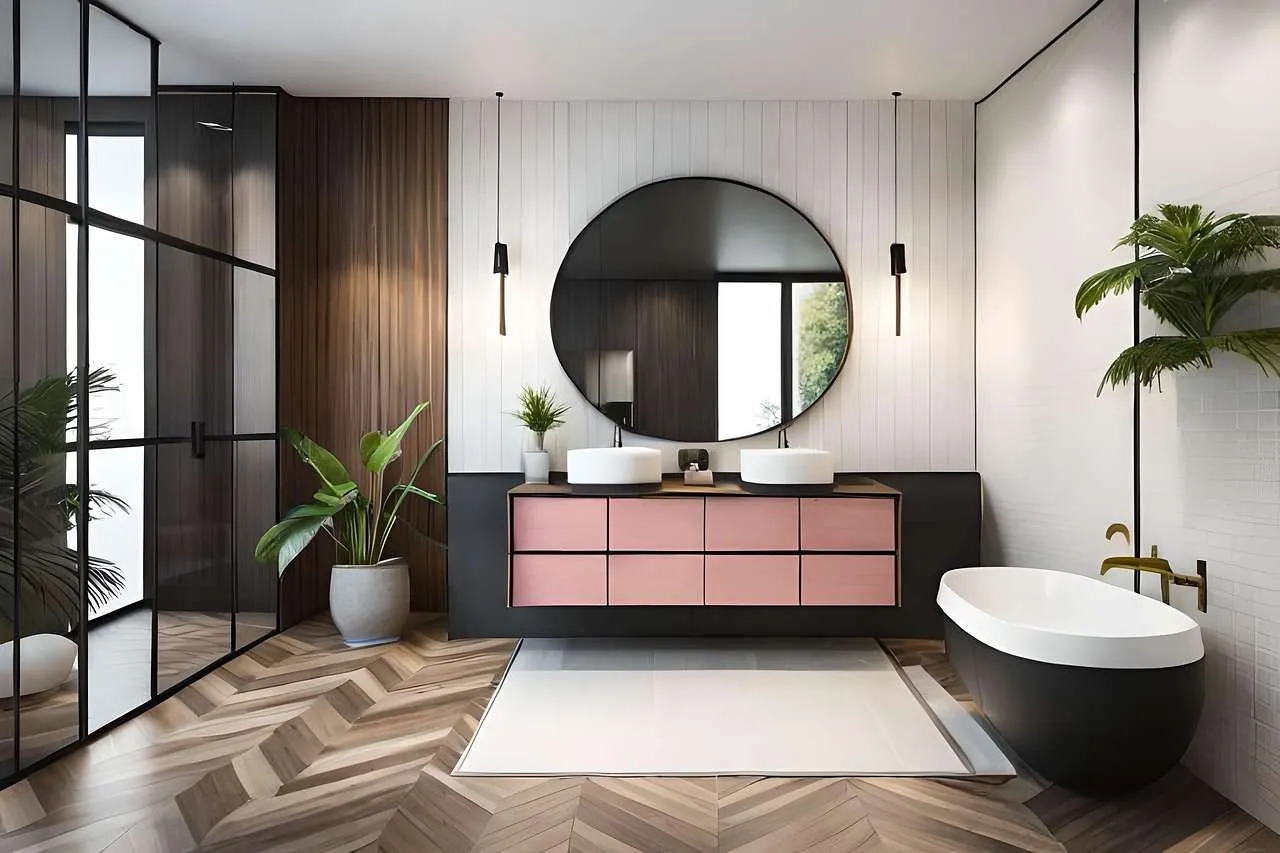
Creating a well-designed bathroom decor is about blending aesthetics with practicality. As a seasoned SEO strategist and interior design consultant, I’ve seen how thoughtful decor choices can transform small spaces into calm, spa-like retreats without sacrificing function. This guide covers the core ideas behind bathroom decor, from color and lighting to storage and materials, with clear steps you can apply today to boost both style and value.
Core principles of bathroom decor
Successful bathroom decor starts with a clear plan. Focus on cohesion, moisture resistance, and scale. Choose a unifying color story that repeats in tile, vanity, and textiles. Prioritize materials that stand up to humidity, like porcelain, tempered glass, stone composites, and solid-surface countertops. A well-balanced mix of texture and gloss can create depth while keeping maintenance manageable.
Color palettes and materials
Neutral bases such as soft whites, warm beiges, or cool grays provide longevity and versatility. Add in an accent color through towels, artwork, or a vanity finish to inject personality without overwhelming the space. For durability, opt for moisture resistant materials such as ceramic tile, porcelain, quartz, and solid surface countertops. In small baths, larger tiles with fewer grout joints can visually expand the room and ease cleaning.
Lighting for mood and function
Layered lighting is essential. Combine task lighting around the mirror with ambient ceiling light and subtle accent lighting to highlight architectural details. Damp rated sconces or integrated LED fixtures avoid shadows while consuming less electricity. A daylight balance around 3000 to 4000 kelvin feels natural and helps with grooming tasks.
Storage that stays stylish
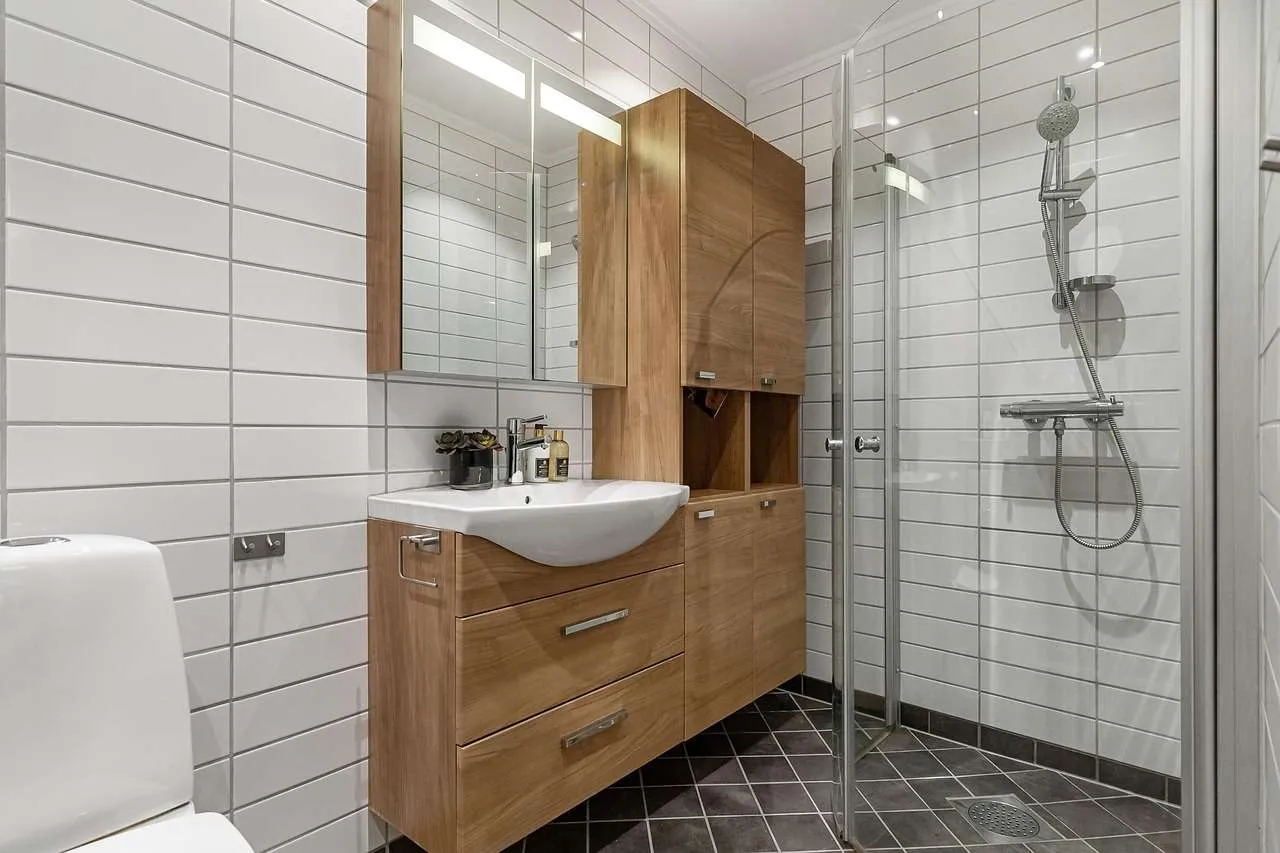
Sleek storage solutions reduce clutter and protect the decor. Consider a wall hung vanity or medicine cabinet with soft close doors, open shelves for texture, and baskets for cords and towels. Use vertical storage to maximize floor space in smaller baths. Concealed electrical outlets near the vanity simplify daily routines while keeping the space tidy.
Fixtures finishes and accessories
Coordinate faucet finishes with hardware and mirror frames to unify the look. Matte black, brushed nickel, or warm brass are popular, but ensure finishes are durable and corrosion resistant for high humidity. Add a few premium towels, a woven rug, and a couple of plants to soften edges and introduce color without overloading the eye.
Styles and how to achieve them
Choosing a style helps guide finishes, textures, and layout. Here is a quick comparison of popular directions to help you plan.
| Style | Color Palette | Materials | Key Features | Ideal For |
|---|---|---|---|---|
| Modern | Neutrals with bold accents | Porcelain tile, quartz, glass | Clean lines, minimal hardware, floating vanity | Small to medium baths seeking a calm, uncluttered look |
| Classic | Warm whites, creams, subtle wood tones | Ceramic tile, marble accents, wood vanity | Timeless trim, framed mirrors, soft hardware | Bathrooms with traditional architecture |
| Coastal | Soft blues, sandy beiges, whites | Ceramic driftwood textures, glass | Light, breezy, natural textures | Bright spaces with large windows |
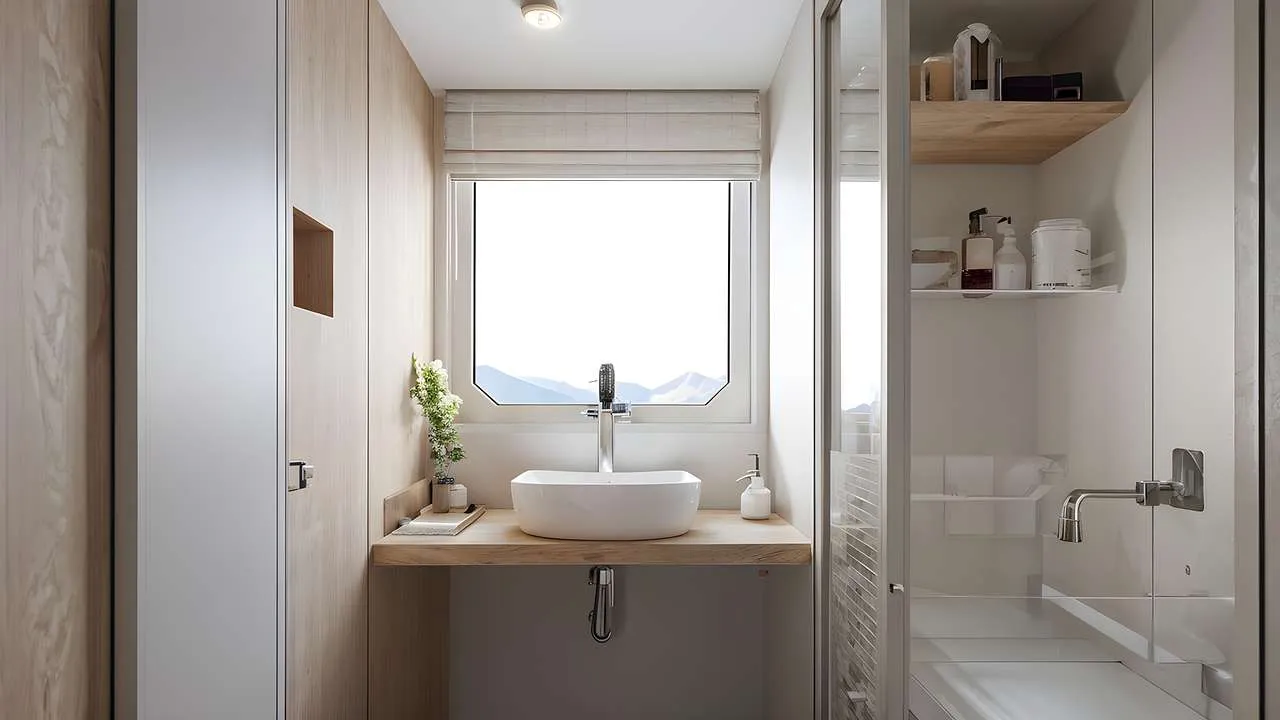
| Minimalist | Monochrome or restrained palette | Large format tile, solid surface | Understated, hidden storage, seamless surfaces | Bathrooms prioritizing calm over ornament |
Practical planning and budget
Plan with a realistic budget that includes installation, fixtures, and long term maintenance. Start with a focal point such as a feature tile or a statement vanity, then select compatible fixtures and storage. Allow 4 to 8 weeks for a mid range refresh and longer for full remodels. Keep a log of costs and measurements to avoid scope creep and ensure contractor alignment.
DIY versus professional help
For simple updates like paint, towels, and accessories you can DIY. For plumbing, electrical, waterproofing, or major tile work, hiring a licensed professional protects safety, meets code, and often pays off in durability and value. When interviewing pros, assess references, portfolios, and a transparent estimate that includes contingencies for moisture-prone rooms.
Maintenance and longevity
Choose materials with proven moisture resistance and easy maintenance. Sealed stone or quartz countertops, glazed ceramic tile, and stainless fixtures resist staining and corrosion. Schedule quarterly checks for sealants around tub enclosures and grout. Regular cleaning with pH neutral products preserves finishes and keeps bathrooms feeling fresh longer.
Putting it all together: a practical plan
To turn ideas into a cohesive bathroom decor, follow a simple plan you can repeat on future projects. Start by documenting the room dimensions and any architectural quirks. Create a mood board with color swatches, samples, and photos of fixtures you love. Then test layouts using graph paper or a digital planner, ensuring door swings, venting, and outlet placement work with your design. Finally, source durable materials that fit your budget and schedule your installation in logical phases to minimize disruption.
Conclusion, a well executed bathroom decor blends color, durable materials, layered lighting, and smart storage. It respects the space, supports daily routines, and remains resilient with proper maintenance.