Bathroom Tiles: Styles, Guides & Tips
Comprehensive guide to bathroom tiles: types, selection, installation, and care for durable, stylish spaces.
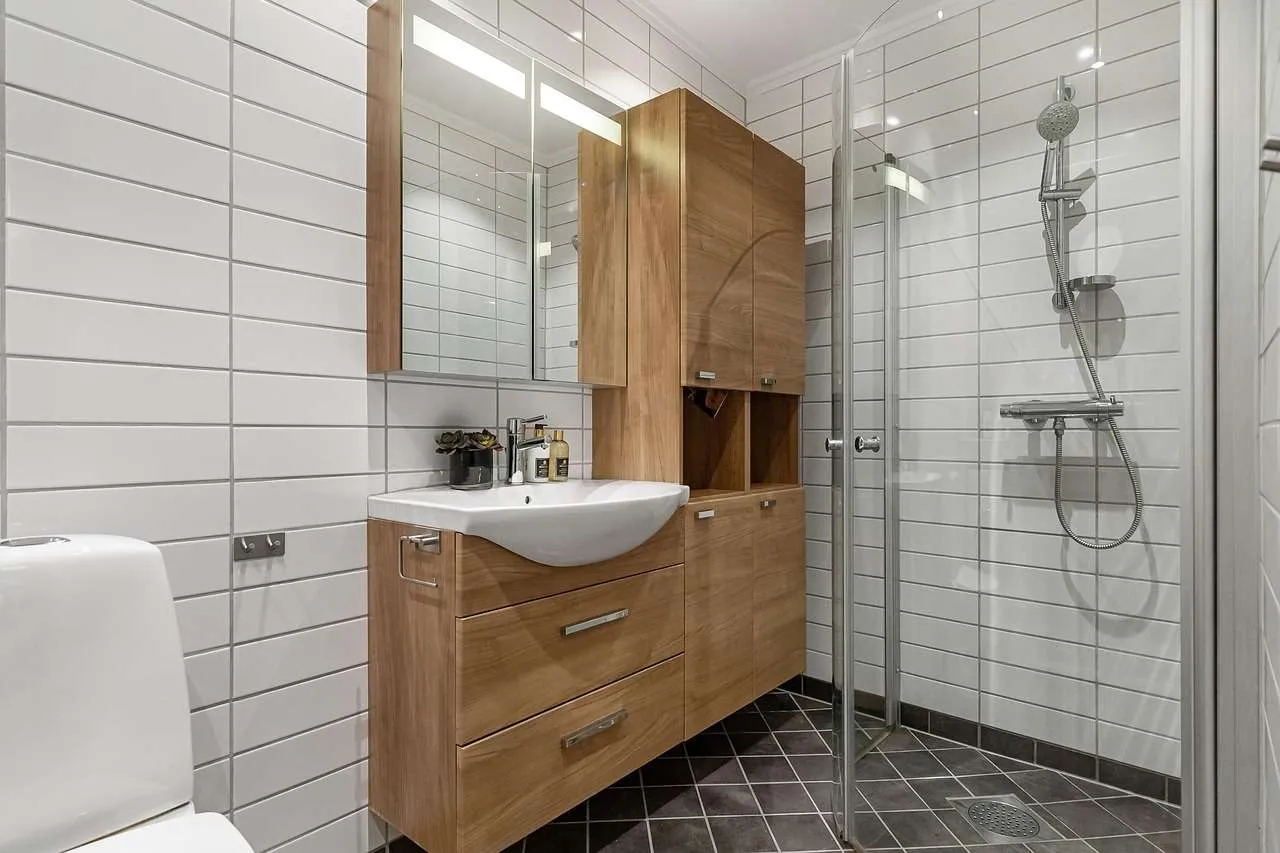
Choosing bathroom tiles sets the tone for the entire space. Beyond aesthetics, tiles determine durability, safety, and maintenance. This guide covers the essentials of bathroom tiles, from materials to layout ideas, so you can make informed choices that stand up to moisture and daily wear.
Understanding bathroom tiles
Tiles for bathrooms are designed to resist water, humidity, and frequent cleaning. The right tile balances function and style, whether you want a spa-like retreat or a bold, contemporary look.
Types of bathroom tiles
Ceramic tiles
Made from clay and glaze, ceramic tiles are affordable, versatile, and available in many colors and patterns. They are good for walls and low-traffic floors, but may require sealing on some glazed surfaces.
Porcelain tiles
Porcelain is a denser form of ceramic with minimal porosity. It performs well in floors and wet areas, offering better durability and water resistance. Available in many finishes that mimic stone or wood.
Natural stone tiles
Marble, travertine, and slate add luxury and texture. They require sealing and regular maintenance to prevent staining and etching, but create a premium look.
Glass tiles
Glass tiles reflect light and create a sense of space. They’re ideal as accents or backsplashes but can be slippery if used on floors; consider non-slip alternatives for flooring.
Mosaic tiles
Small tiles in mosaics offer texture and grip, excellent for shower niches, floors, or feature walls. They come in ceramic, glass, and natural stone varieties.
Key considerations when selecting bathroom tiles
Factor in moisture exposure, slip resistance, maintenance, and installation cost. For floors, prioritize durability and texture to reduce slip risk. For walls, design flexibility and ease of cleaning matter more.
- Water resistance: porcelain and high-quality ceramic perform well in wet zones.
- Slip resistance: choose textured or matte finishes for floors.
- Maintenance: glazed ceramic and porcelain are easy to clean; natural stone requires sealing.
- Size and layout: large formats reduce grout lines; smaller formats offer flexibility around curves and niches.
- Color and style: light colors brighten small baths; neutral tones provide timeless appeal.
Design ideas and patterns
Consider where to place patterns, borders, or accent tiles. Subway tiles in a herringbone layout create movement, while large-format porcelain can create a seamless floor. Use glass or metallic trims sparingly to avoid overwhelming the space.
Installation and maintenance tips
Professional installation ensures proper substrate preparation and waterproofing. Key steps include layout planning, moisture barriers, proper spacing, and quality grout. Natural stone and certain porcelains require periodic sealing; follow manufacturer recommendations.
Pricing and buying guide
Tile costs vary widely by material, size, and finish. Expect ceramic tiles to be affordable, porcelain mid-range, natural stone a premium option, and glass at higher-end costs. Labor often accounts for a significant portion of total project costs, especially in complex patterns or wet-room installations.
Comparison: common bathroom tile types
| Tile Type | Water Resistance | Durability | Maintenance | Typical Cost | Best Uses |
|---|---|---|---|---|---|
| Ceramic | Good | Moderate | Low to moderate | Low | Walls, light-traffic floors |
| Porcelain | Excellent | High | Low | Mid to high | Floors, wet areas |
| Natural Stone | Varies | High (with sealing) | High | High | Showers, feature walls |
| Glass | Excellent | Moderate | Moderate | Mid to high | Backsplashes, accents |
Expert tips and EEAT signals
Choose reputable brands, verify warranties, and hire licensed installers. Look for CE markings, installer certifications, and positive customer reviews. For projects with complex substrates, insist on moisture barriers and proper waterproofing to protect long-term value.
Conclusion
In summary, selecting bathroom tiles involves balancing moisture performance, durability, and design. Ceramic and porcelain offer cost-effective, durable options, while natural stone and glass deliver premium aesthetics with maintenance considerations. Plan layout, consider slip resistance for floors, and budget for professional installation to maximize durability and style.
Summary, this article covers tile types, selection criteria, design ideas, installation tips, and a practical buying guide to help you achieve a durable, stylish bathroom.