Bathroom Tile: Styles, Tips, and Trends
Guide to bathroom tile choices, installation, and care for durable, stylish bathrooms.
Why bathroom tile matters
A well-chosen bathroom tile can define style and survive humidity. This guide covers tile materials, layouts, installation basics, maintenance, and costs to help you choose with confidence. If you start with the core idea of a moisture-resistant, easy-to-clean surface, you will be able to narrow options quickly.
Tile Types and Where They Shine
Ceramic tile
Ceramic tile is one of the most budget-friendly options for bathroom tile. Made from clay and baked hard, it’s lightweight, easy to cut, and available in a wide range of patterns and colors. It’s well-suited for walls and backsplashes and can be a good choice for first-time remodelers. The surface is typically glazed, which helps with stain resistance, but you should seal grout and consider a higher-quality glaze for showers to reduce water absorption.
Porcelain tile
Porcelain is a denser form of ceramic, often rated for floors and wet areas. Its low water absorption makes it more durable in bathrooms, including shower floors. Porcelain tiles come in large formats, wood-look styles, and many textures. Because of their density, installation can require a steady hand and the right carbide blades, but they’re worth it for durability and long-term performance.
Natural stone tile
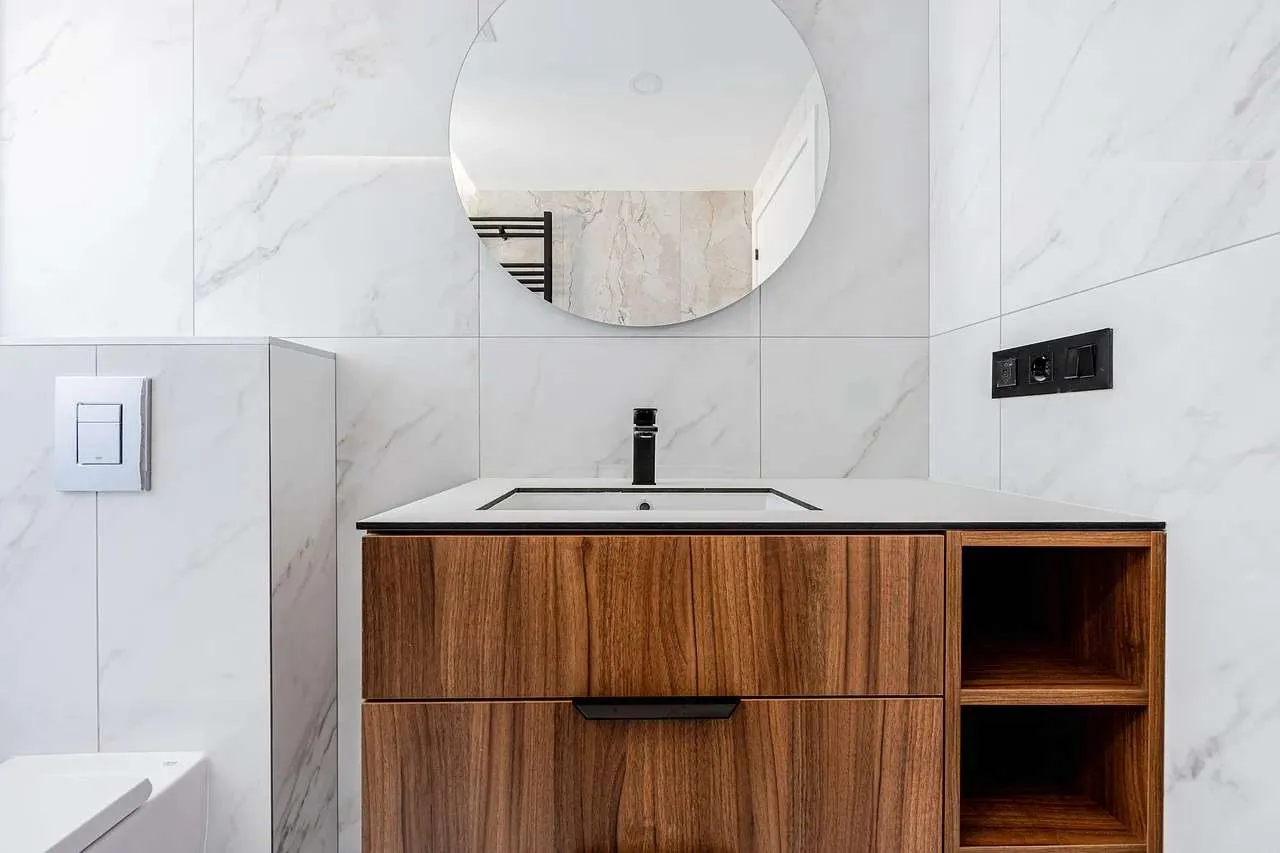
Natural stone such as marble, granite, or travertine offers a premium, timeless aesthetic. Stones require sealing to resist staining and moisture, and some are more porous than others. Regular maintenance includes resealing and careful grout care, but the elegant veining and unique textures can elevate a bathroom design. Use stone mainly in walls, countertops, or shower enclosures where sealing is feasible and maintenance is manageable.
Glass tile
Glass tiles reflect light, creating the illusion of more space and a modern vibe. They are excellent for backsplashes and accent walls but are less practical on floors due to slipperiness and potential scratching. Grout choices matter here; epoxy grout can help resist staining and water intrusion in glass tile installations.
Sizes, Finishes, and Patterns
Size and finish influence how a bathroom tile reads in a small room. Large-format tiles reduce grout lines, creating a seamless look, while smaller mosaics offer texture and traction. Finishes range from matte to high-gloss; matte finishes tend to hide imperfections and offer better slip resistance, while glossy finishes reflect light but can show water spots. Consider diagonal layouts or herringbone patterns to add dimension without changing the footprint of the space.
Durability, Maintenance, and Waterproofing
Floor tile should prioritize slip resistance and durability. Look for a PEI rating appropriate for bathrooms and a COF or slip rating that suits wet areas. Grout color matters for maintenance; epoxy grout lasts longer and resists staining, while cement-based grout may require more frequent sealing. Behind any tile in a shower or wet room, a proper waterproofing membrane and a sloped substrate are essential to prevent water damage over time. If you’re updating a prefab shower, consider replacing the pan and adding a modern waterproof membrane for long-term reliability.
Installation Considerations and Costs
DIY tile work is possible for walls, small areas, or backsplash, but floor and shower installations typically benefit from professional installation. Labor costs vary by region and tile type, with porcelain and natural stone generally more expensive to install than ceramic. Budget for underlayment, waterproofing, and grout. Don’t forget cutting and waste; add 10–15 percent extra tile for breakage and mistakes. When designing a bathroom tile layout, think about accessibility and maintenance—skirting boards or thresholds should align visually with the chosen tile size to minimize trip hazards and simplify cleaning.
Design Ideas and Practical Tips
For a cohesive look, pair a neutral wall tile with a bolder accent tile or a textured stone when possible. Neutral grays and beiges work well with warm wood vanities, while bold blues or greens create spa-like atmospheres. A glass or metallic tile border can add a refined touch to a shower niche. If you’re unsure about color harmony, bring home a few large samples of tile and test them with your cabinet finishes and countertop materials. Finally, maintain tiles by wiping down grout lines after showers to prevent mold and mildew buildup.
Comparison of Tile Types
| Tile Type | Pros | Cons | Best Uses | Typical Cost per sq ft | Slip/Non-slip |
|---|---|---|---|---|---|
| Ceramic | Affordable, easy to cut | Less dense, more grout upkeep | Walls, backsplashes | $1-$3 | Mid |
| Porcelain | Dense, water resistant | Harder to cut | Floors, showers | $3-$7 | High |
| Natural Stone | Premium aesthetic | Sealing & maintenance | Showers, feature walls | $5-$20 | Varies |
| Glass | Bright, reflective | Slippery on floors, grout staining | Backsplashes, accent walls | $7-$20 | Low |
When planning, always verify product specs and installation requirements with the manufacturer and consult a licensed installer for complex projects. Reading product reviews and looking at real-world photos can prevent costly missteps and ensure the chosen bathroom tile meets your expectations for years to come.
Conclusion, a thoughtful selection of bathroom tile balances beauty and practicality. By understanding material properties, planning layouts, budgeting for waterproofing and professional installation, you can create a durable, stylish space that remains easy to clean and safe in wet conditions.